Master Interview Video Production Techniques: Practical Steps for Engaging Corporate, Executive, and Testimonial Interviews
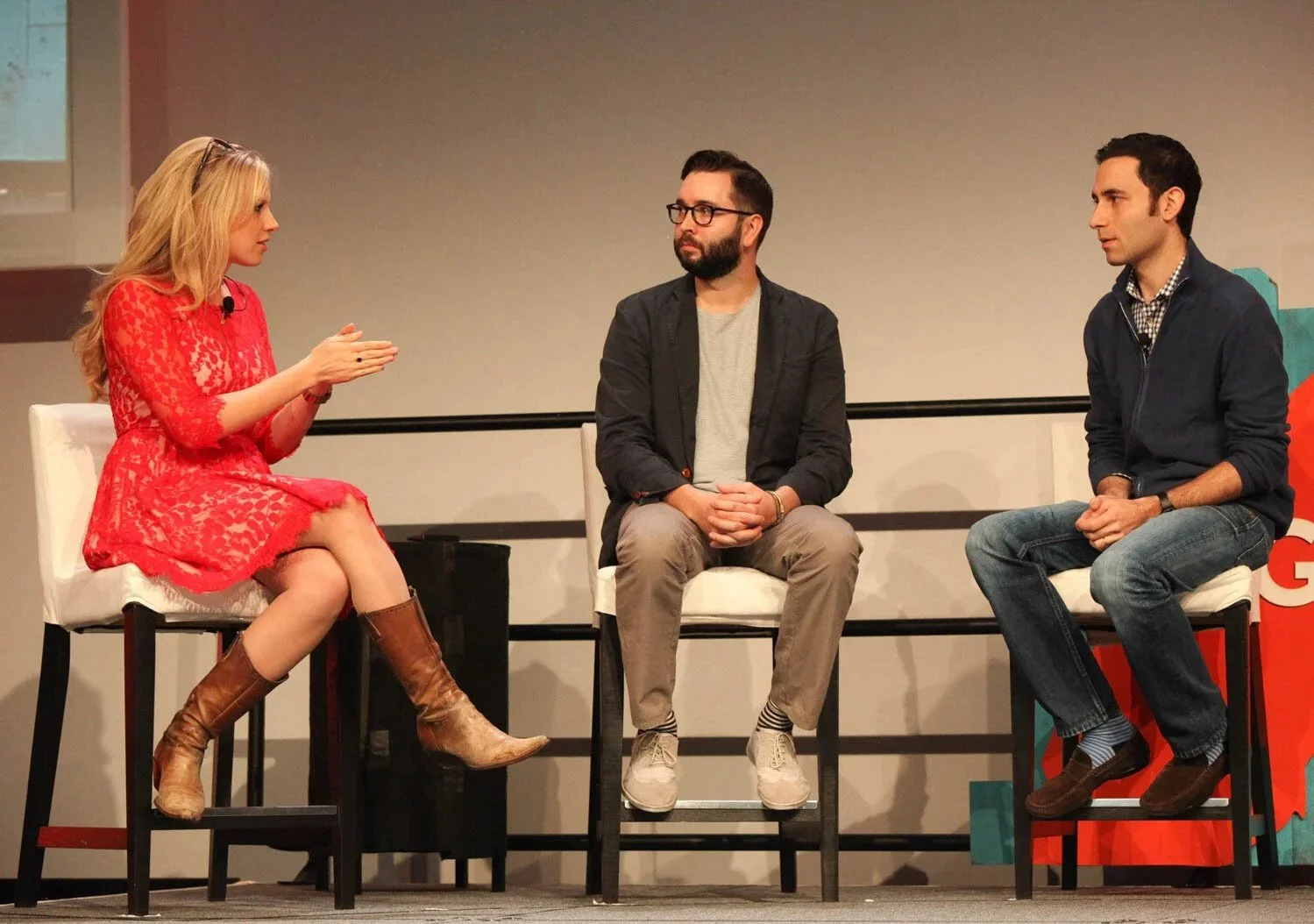
Great video interviews blend technical craft with human-first questions to capture honest, shareable stories that drive attention and conversions. This guide lays out hands-on interview techniques for corporate communications, customer testimonials, executive profiles, and thought leadership videos. You’ll get clear guidance on planning and prep, on-set choices for lighting and sound, rapport-building to surface memorable soundbites, and post video production steps that deliver platform-ready assets.
How Do You Plan and Prepare for a Successful Video Interview?
Planning sets the story goal, chooses the right interview format, and lines up logistics so the shoot captures authentic moments efficiently. Good pre-interview work predicts narrative beats and surfaces anecdotes that become edit-ready soundbites, improving recording speed and final edit quality. Treat planning like editorial work: research the subject, define audience takeaways, and map question funnels that move from context to emotion to impact. Clear prep reduces retakes and gives both the interviewer and the subject a straightforward path to follow on camera.
| Pre-interview Task | Purpose | Practical Example / Benefit |
|---|---|---|
| Background research | Pinpoint expertise and story hooks | Uncovers a specific project anecdote that prompts a detailed, usable response |
| Pre-interview call | Flag sensitive topics and confirm logistics | Reduces surprises and helps the subject feel comfortable on camera |
| Story goals mapping | Clarify the audience takeaway | Makes sure every question supports the intended message |
| Release and logistics | Lock permissions and timing | Prevents last-minute legal or scheduling issues |
This comparison highlights how targeted pre-interview work increases usable footage and gives editors clearer narrative material to shape.
What Research Should You Conduct Before the Interview?
Research tightens the focus on verifiable facts and human moments, boosting credibility and emotional impact. Start with a short dossier, the interviewee’s role, recent projects, prior media, and what matters to your audience. Use that research to write prompts that encourage anecdotes, specifics, and measurable outcomes instead of vague opinions. It also helps you spot potential red flags or compliance issues, so questions can be framed appropriately. Solid preparation directly informs the creation of layered, open-ended questions that build toward meaningful answers.
How Do You Develop Impactful and Open-Ended Interview Questions?
Question design uses funnels and planned follow-ups to draw out narrative detail without leading the subject. Open with warm, situational prompts, then move to behavior- and result-focused questions that invite specifics and emotion. Plan probing prompts like “Tell me more about…” or “What happened next?” to turn short answers into usable soundbites. Well-sequenced questions simplify editing and increase the chance of a clear story arc.
What Are the Best On-Set Techniques for High-Quality Video Interviews?
On-set techniques pair controlled environment choices with reliable technical setups so visuals and audio are consistently usable. Pick a location with low ambient noise and a background that reinforces the story or brand. Use lighting to set the mood, a soft, flattering key light for testimonials, and higher contrast for more cinematic executive pieces. Building in redundancy and simple troubleshooting protocols prevents lost takes and helps the director and interviewer stay focused.
Below is a concise comparison of common gear choices and recommended setups for different room types.
| Equipment | Pros / Cons | Recommended Setup for Room Type |
|---|---|---|
| Three-point lighting | Pros: controllable; Cons: footprint | Small office: compact soft key, fill via reflector, rim light if space allows |
| Lavalier microphone | Pros: close, consistent; Cons: clothing noise | Use a wireless lav, secure placement, and route to a dedicated recorder |
| Camera & lens | Pros: control of depth; Cons: more setup time | 50mm or 85mm prime for flattering headshots; adjust distance to preserve headroom |
This table shows how matching tools to space and story produces dependable, high-quality footage.
How Do You Choose the Ideal Location and Lighting Setup?
Scouting evaluates acoustics, background relevance, and natural light to support the intended story. Favor spaces with minimal reflections and HVAC noise; when those issues exist, bring soft panels and blankets to tame reverberation. Lighting should reflect the brand tone. Soft, even light reads as approachable, while directional light conveys authority and drama. Keep color temperature consistent to avoid color shifts in post, and add small practical lights for separation and depth. Thoughtful location and lighting choices speed setup and reduce corrective work in post.
What Are the Key Camera Angles and Audio Tips for Clear Video Interviews?
Framing communicates intimacy; tight headshots work well for testimonials, while medium shots provide context for panels or interviews on location. Maintain eye contact by placing the interviewer off-camera at a 30–45-degree angle, and keep consistent headroom to avoid jarring cuts. For audio, prioritize a primary lavalier and feed a backup recorder; record room tone for noise reduction and cleaner edits. Quick troubleshooting routines, swap batteries, check wireless channels, and keep spare lav clips and windscreens. Keep the session moving without interruptions.
How Can Interviewers Build Rapport and Guide Engaging Conversations?

Good rapport turns prepared answers into natural, revealing stories that editors can shape into narrative arcs. Start with non-technical warm-ups, light conversation, a clear rundown of the process, and reassurance about retakes to lower performance anxiety. Use tone, pacing, and open body language to communicate safety; subtly mirror energy to match comfort levels. Strong rapport yields fuller answers, fewer rehearsed lines, and opens the door to deeper probing that reveals detail and emotion.
How Do You Use Active Listening and Probing Questions to Deepen Responses?
Active listening means echoing key phrases, leaving space for thought, and asking follow-ups that request concrete details rather than opinions. Try prompts like “Can you describe that moment?” or “What did you learn from that experience?” to move from generalities to vivid scenes.
How Do You Polish and Optimize Video Interviews in Post-Production?
Post-production shapes recorded material into a focused story by selecting soundbites that align with your story goals and using editorial techniques to sharpen clarity. Start with a narrative-driven rough assembly, mark best takes, and build a forward-moving sequence that balances context and emotion. Clean audio to remove room tone and level inconsistencies, then apply color grading to maintain brand look and visual continuity. Add B-roll and graphics to support claims and improve pacing, and export multiple masters optimized for platform-specific codecs and aspect ratios.
| Post Process | Impact on Viewer | Quick Actionable Tip |
|---|---|---|
| Editing | Shapes narrative clarity and pacing | Use J/L-cuts to smooth transitions and preserve natural speech flow |
| Color grading | Sets mood and brand consistency | Match skin tones and keep contrast readable on small screens |
| Audio mixing | Improves intelligibility and polish | Normalize levels, apply gentle compression, and remove background hum |
Let Blazer Videos Produce Your Next Interview
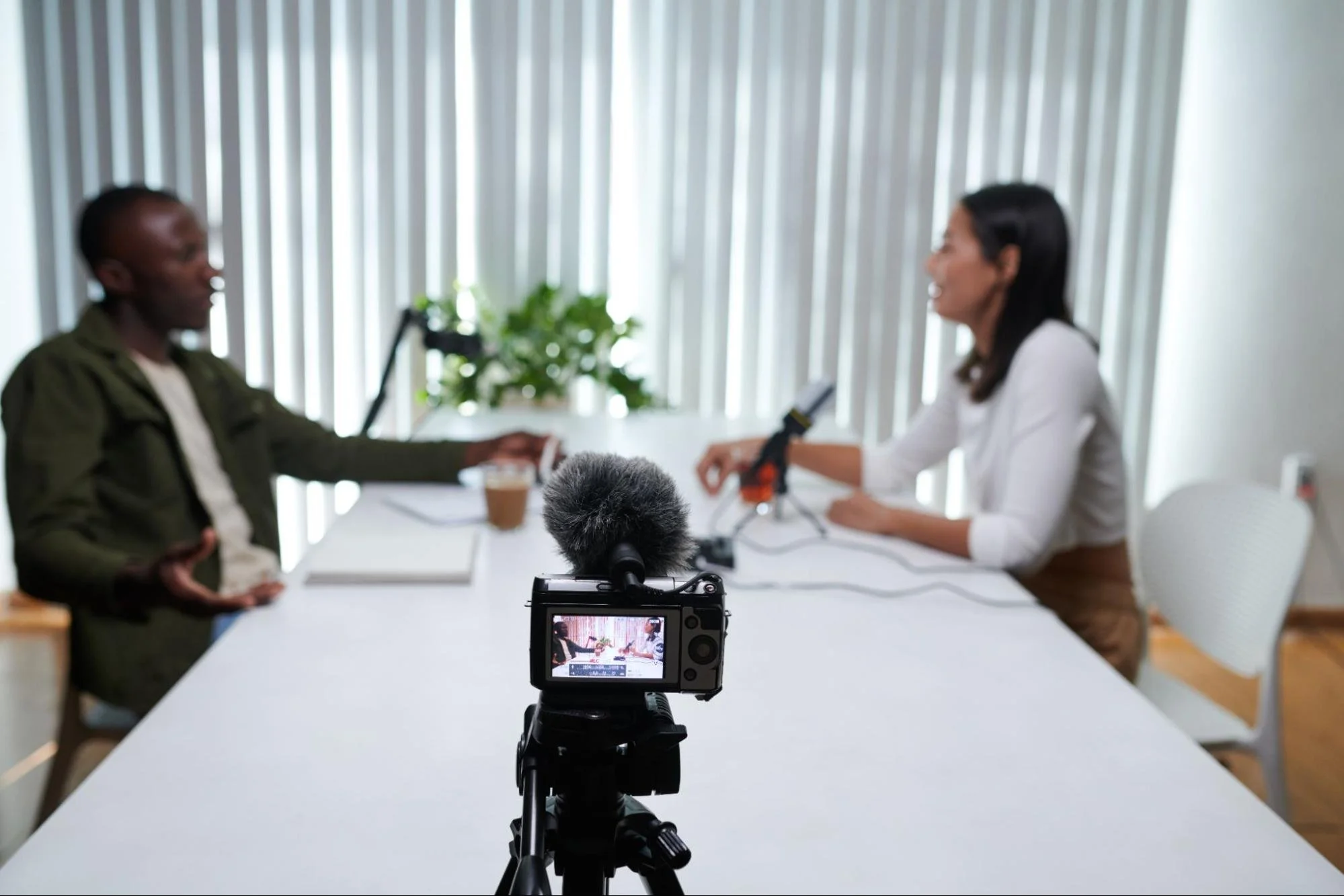
From polished executive interviews to powerful customer testimonials, Blazer Videos specializes in capturing meaningful on-camera stories. We guide talent, manage lighting and audio, and create a comfortable set so every interview feels authentic and confident.
Let’s bring your brand’s story to life. Contact Blazer Videos today.
FAQs: Corporate & Testimonial Video Interviews
What makes a corporate interview look professional?
Strong lighting, clean framing, good audio, and a well-composed background all contribute to a polished look. Consistent camera angles and purposeful branding elements also ensure the final video matches your company’s visual identity.
Should you script interview answers or keep them conversational?
Conversational is almost always better. Scripted answers can feel stiff, while guided prompts create more authentic, expressive responses. Prepping key talking points, not full scripts, keeps the message consistent without sacrificing natural delivery.
Reference: Next Up: Best Microphones for High-Quality Video Interviews
To ensure your interviews look and sound professional, read the next article: Best Microphones for High-Quality Video Productions: Choosing and Using the Right Audio Gear.